
Tulainyo 2-7 Gas Flow Test Program Update
Testing has so far been conducted in two stages over a range of zones between
total depth of 5,710 feet and 3,600 feet.
Inflows of good quality gas at modest rates are currently being achieved but
not yet measurable per zone. The results so far are believed to be impeded by
near wellbore damage to the gas reservoirs.
Formation evaluation is being carried out using downhole gauges to measure
pressures and other critical data. This will support a more definitive analysis of
flow potential with results expected within the next few weeks.
With the additional data, remediation options to achieve higher flow rates will
also be assessed.
The successful drilling of Tulainyo 2-7 and testing achieved so far already
provides the partnership with encouragement for the next phase of operations
that would test additional deeper, stacked reservoir targets. This may include
deepening of the Tulainyo 2-7 well once evaluation of the current test zones is
complete and or additional appraisal drilling in due course.
Pancontinental Oil & Gas NL (ASX: PCL) (“Pancontinental” or “Company”) provides this
operations update for the Tulainyo 2-7 gas appraisal well in the Sacramento Gas Basin,
California. Pancontinental is earning up to an effective 13.33% interest in the project.
The Tulainyo 2-7 well was drilled as planned to a total depth of 5,710 feet (1740 metres),
within the very large, over pressured anticlinal structure following extensive pre-planning.
Post well analysis indicated multiple stacked sandstone units, varying as expected in
thickness and quality, all gas saturated.
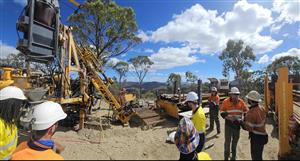
A gas flow test program commenced in late February, was carried out with perforations into
selected reservoir intervals using Tubing Conveyed Perforating Equipment or TCPs. The
flow testing has so far been conducted in two stages over a range of zones between total
depth of 5,710 feet and 3,600 feet.
Inflows of good quality gas into the well are currently being achieved at apparently low
rates, but have yet to be accurately measured. Formation evaluation is now being carried
out including running pressure gauges and conducting pressure build up tests. The results
of these tests will potentially allow for a better understanding of reservoir quality, any
reservoir damage, for example as a result of the high mud weights used during drilling
operations as well as any remediation options that could be put into effect.
ASX ANNOUNCEMENT
16 April 2018



Add to My Watchlist
What is My Watchlist?

